Service — 02 · Spec — Soil
Organic fertilization programs that build healthy soil
Reviewed by Chris Reed, CA DPR Qualified Applicator #REPLACE_WITH_QAL_NUMBER · Updated REPLACE_WITH_LAUNCH_DATE
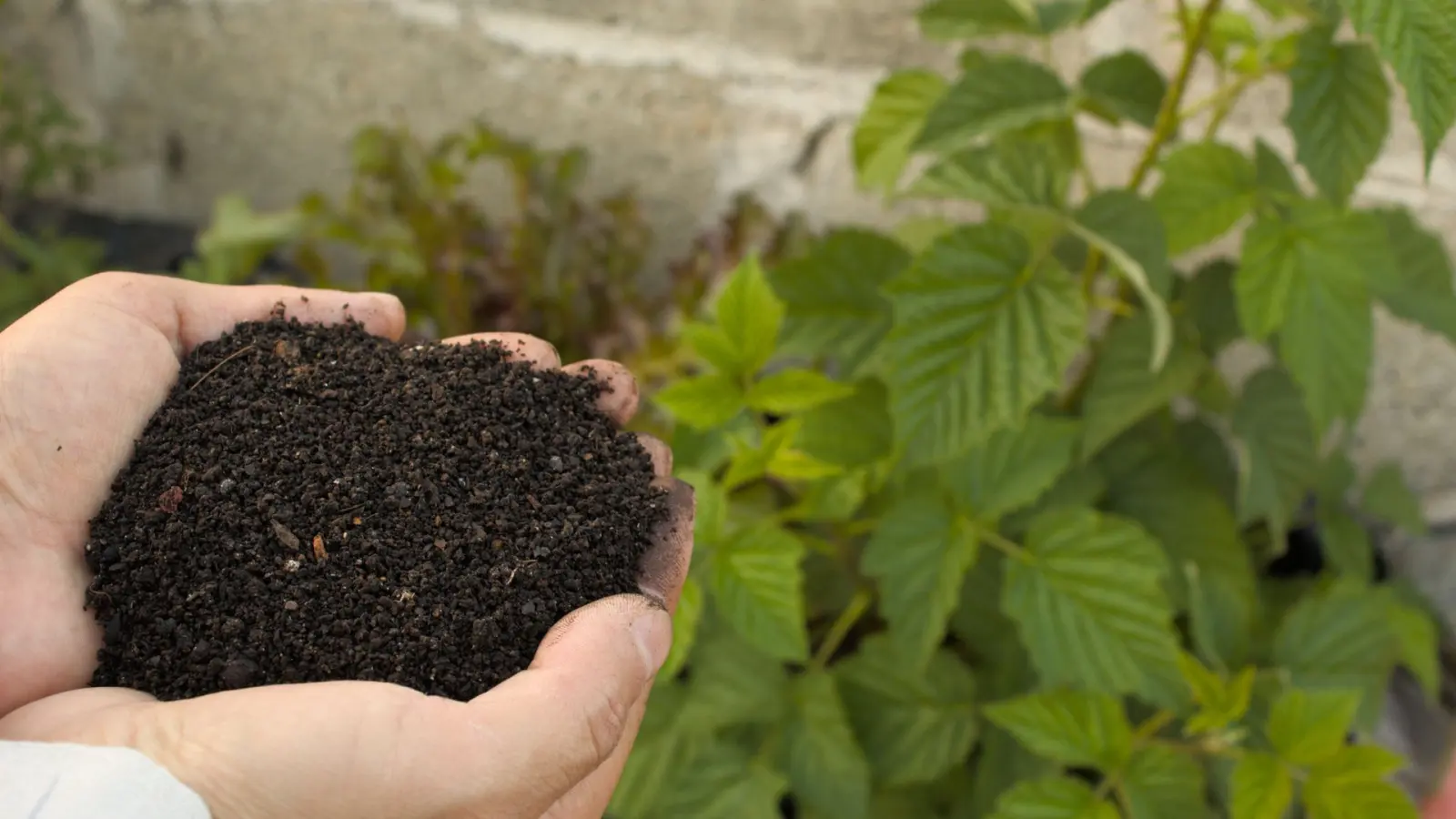
Reed's organic fertilization programs feed the soil, not just the grass. Each program is scheduled around Bay Area seasons and uses organic inputs — such as compost-based amendments and slow-release organic fertilizers — to improve soil structure, support root growth and reduce the need for synthetic inputs over time.
What's included in an organic fertilization program?
An organic fertilization program from Reed's includes a seasonal calendar, organic inputs matched to your turf, and the soil work that helps them take hold.
- Soil testing recommendation [[CONFIRM]]
- Seasonal program calendar
- Core aeration as needed
- Overseeding
- Application records
| Scope | Turf, sports fields, landscape beds. |
|---|---|
| Frequency | 3–5 applications per year [[CONFIRM]]. |
| Materials | Organic, OMRI-listed (approved for organic use by the Organic Materials Review Institute) where available; compost/compost tea, aeration and overseeding as recommended [[CONFIRM services Chris offers]]. |
| Documentation | Application dates, products, rates. |
| Ideal for | Athletic fields, parks, campus lawns. |
How does Reed's schedule organic fertilization around Bay Area seasons?
Organic fertilization at Reed's follows the Bay Area's wet-winter, dry-summer cycle, so nutrients go down when turf can use them and soils are not waterlogged. Applications are planned with your facilities team around class hours, practices and events.
Organic fertilizers release nutrients slowly and work by building soil biology, so programs pair feeding with core aeration and overseeding on compacted fields. Fertility is also the first step of pest prevention; see what is integrated pest management and how our sustainable IPM approach works.
Fields at schools are a common fit: see school district IPM and organic grounds care.
FIELD NOTE [[DRAFT — Chris to confirm or rewrite in his own words]]
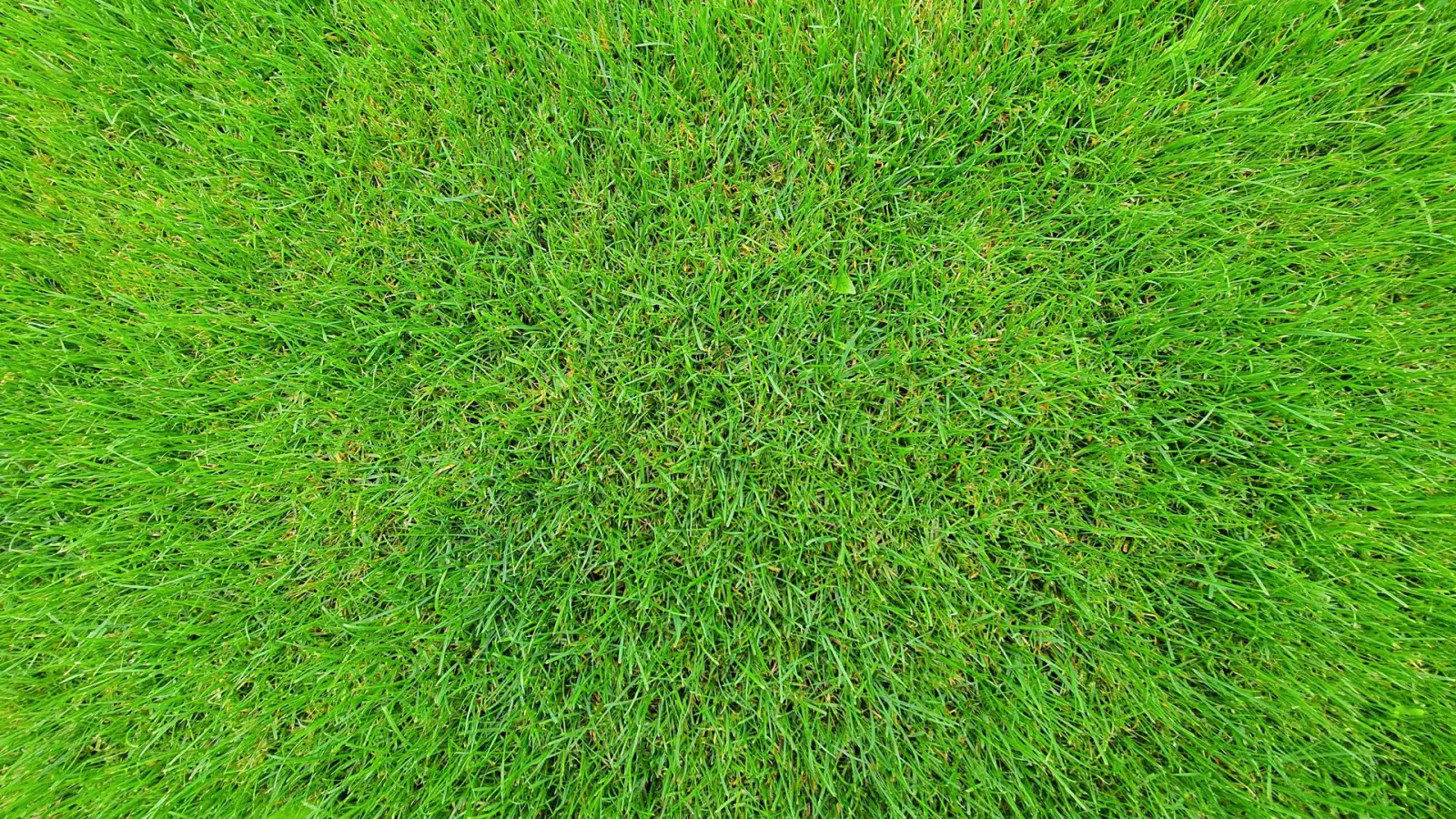
“Bay Area clay soils compact fast under foot traffic. Aeration plus organic matter does more for a school field than any extra dose of nitrogen.”
How does an organic fertilization program compare with a synthetic program?
An organic program is slower to green up and usually costs more per application; it builds soil structure that a synthetic program does not. [[DRAFT — Chris to confirm trade-offs]]
| Program | How it works | Speed of results | Relative cost | Documentation | Best for |
|---|---|---|---|---|---|
| Organic program (Reed's) | Feeds soil biology with organic inputs, paired with aeration and overseeding | Builds over 1–2 seasons | Higher per application | Date, product and rate per application | Fields and lawns where soil health and reduced inputs matter |
| Synthetic program | Soluble nutrients feed the grass directly | Greens up faster | Lower per application | Date, product and rate per application | Sites that need fast color and have no organic policy |
FAQ
Frequently asked questions
Are organic fertilizers effective on sports fields?
Yes, with realistic expectations. Organic fertilizers release nutrients more slowly than synthetic products and work by building soil structure and biology. Combined with aeration and overseeding, they support dense, resilient turf on school and park fields. Results build over one to two seasons rather than overnight.
How long does it take to see results?
Most sites see healthier color and growth within the first season. Deeper improvements in soil structure, root depth and turf density usually build over one to two years of a consistent program. Compacted or depleted soils take longer, which is why programs pair fertilization with aeration.
When are applications scheduled around school use?
Applications are scheduled with your facilities team to avoid class hours, practices and events wherever possible. Seasonal timing follows the Bay Area's wet and dry seasons, and any required notification or posting is coordinated with the site before work begins.
Is a soil test included? [[CONFIRM — held back from schema]]
[[PENDING: Chris to confirm whether a soil test is included in every program]]
NEXT STEP
Need a licensed organic grounds-care contractor?
Request a proposal, schedule a site walk, or add Reed's to your vendor list.