Service — 03 · Spec — Weeds
Organic weed management for public and commercial grounds
Reviewed by Chris Reed, CA DPR Qualified Applicator #REPLACE_WITH_QAL_NUMBER · Updated REPLACE_WITH_LAUNCH_DATE
Reed's manages weeds with a layered approach: healthy, dense turf and mulch to prevent them, mechanical removal and string trimming to control them, and organic or least-toxic materials only where justified. The goal is fewer weeds over time with less herbicide — a fit for schools and agencies with pesticide-reduction policies.
What methods does Reed's use for organic weed control?
Organic weed control at Reed's combines several methods, chosen for each part of the site.
- Hand and mechanical removal
- Mulching and sheet mulching
- Dense-turf cultural practices
- Organic herbicides where allowed [[CONFIRM products/approach]]
- Fence line, hardscape and tree-well control
| Scope | Turf, landscape beds, fence lines, hardscape cracks, tree wells. |
|---|---|
| Frequency | Set calendar matched to the season; more visits in spring. |
| Materials | Mulch and dense turf first; organic or least-toxic materials only where site policy allows [[CONFIRM products/approach]]. |
| Documentation | Logged after every visit. |
| Ideal for | Schools, parks and agency grounds with pesticide-reduction or pesticide-free policies. |
How does layered weed management reduce herbicide use?
Layered weed management reduces herbicide use by making each layer do part of the work, so a treatment is the last step instead of the first.
- Prevent: dense turf and healthy soil leave little room for weeds.
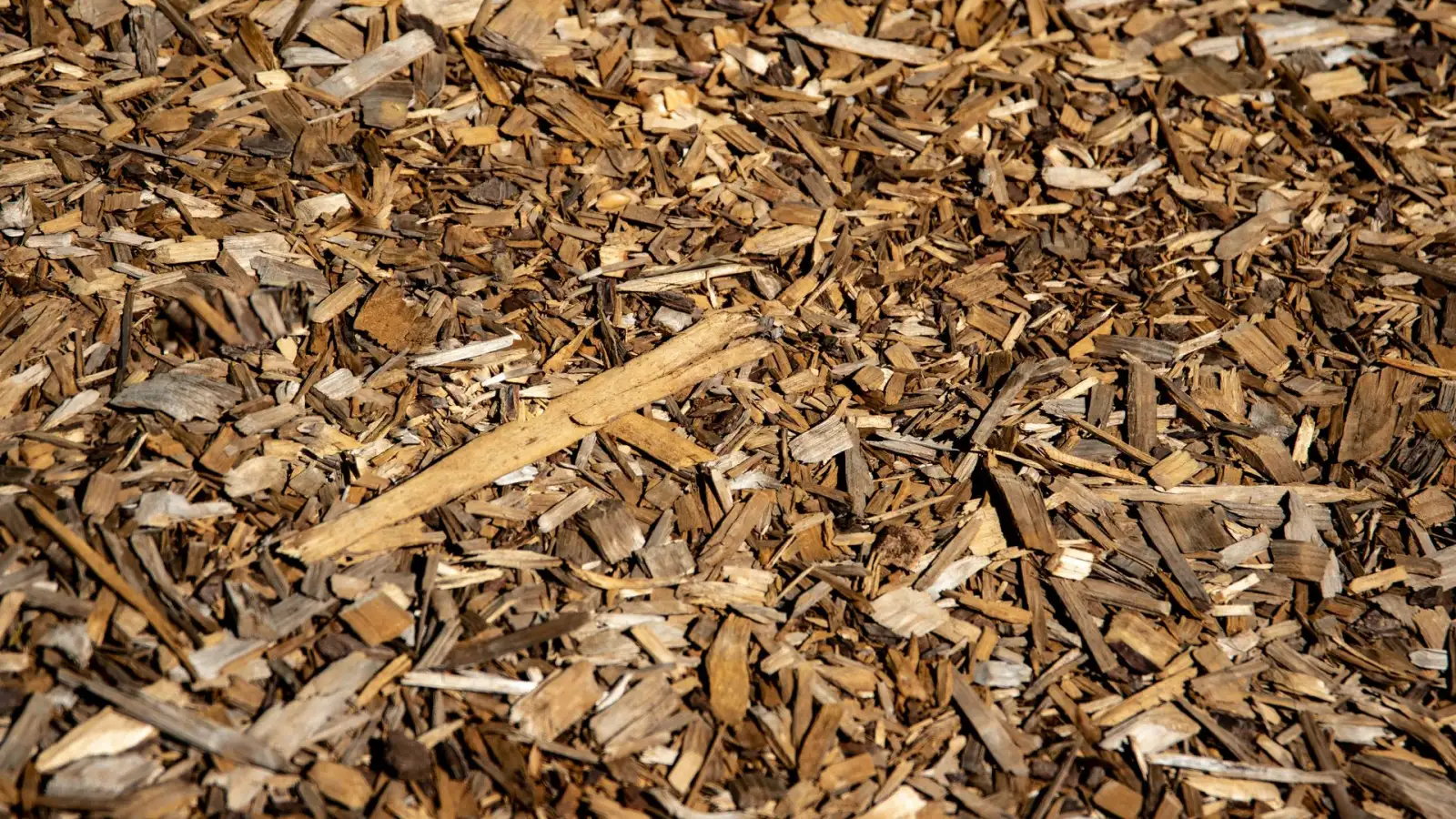
- Smother: mulch and sheet mulch cover bare soil in beds and tree wells.
- Remove: hand pulling, mechanical removal and string trimming on a set schedule.
- Treat only if justified: organic or least-toxic materials where policy allows and other methods have not kept weeds in check.
The same decision steps drive our pest work; read what is integrated pest management and how our sustainable IPM approach works. Parks departments with pesticide-free goals: see organic park and municipal grounds maintenance.
FIELD NOTE [[DRAFT — Chris to confirm or rewrite in his own words]]
“Bare soil is an invitation. Covering it — with turf, groundcover or mulch — is the cheapest weed control there is.”
How do mechanical, organic and synthetic weed control compare?
Each method has a cost. Mechanical work takes labor, organic herbicides often need repeat visits, and synthetic systemics conflict with many public-site policies. [[DRAFT — Chris to confirm trade-offs]]
| Method | How it works | Speed of results | Relative cost | Documentation | Best for |
|---|---|---|---|---|---|
| Mechanical / cultural | Hand and mechanical removal, mulch, dense turf | Steady; strongest over several seasons | Higher labor | Visit logs | Pesticide-free sites, beds, tree wells |
| Organic herbicide | Burns down top growth of weeds | Visible in days; may need repeat applications | Moderate; repeat visits | Application records | Hardscape and fence lines where policy allows |
| Synthetic herbicide | Systemic products absorbed into the plant | Acts faster on established weeds | Lower per application | Application records | Sites without pesticide-reduction policies; conflicts with many school and park policies |
FAQ
Frequently asked questions
How do you handle weeds in hardscape cracks?
Weeds in pavement cracks, fence lines and tree wells are handled mainly by hand and mechanical removal, string trimming and, where appropriate, filling or mulching to remove open soil. Organic or least-toxic materials are used only where site policy allows and other methods have not kept the weeds in check.
Can you meet a pesticide-free parks policy?
Yes. Reed's can run weed management using only mechanical and cultural methods, such as hand removal, trimming, mulching and building dense turf, when a site or agency requires it. Pesticide-free programs can take more labor and time on established weeds, and we explain those trade-offs up front.
How often is weed control scheduled?
Weed control is scheduled on a set calendar that matches the season and the site. Most sites need more frequent visits in spring, when weeds grow fastest, and fewer visits in the dry summer and winter months. Each visit is logged, and the schedule is adjusted at seasonal reviews.
Do you use glyphosate? [[CONFIRM — answer as policy; held back from schema]]
[[PENDING: Chris to state the glyphosate policy]]
NEXT STEP
Need a licensed organic grounds-care contractor?
Request a proposal, schedule a site walk, or add Reed's to your vendor list.