Service 07 · Spec: Soil biology
Compost extract application for turf, fields and landscape beds
Reviewed by Chris Reed, CA DPR Qualified Applicator #169857 · Updated October 2026
Compost extract is a liquid made by washing finished compost in water so its microbes and soluble nutrients move into the liquid, which is then sprayed or drenched onto turf, soil and beds. Reed's applies compost extract as part of a soil-first organic program for school fields, parks and public grounds, alongside aeration, compost topdressing and organic amendments.
What's included in compost extract application?
Compost extract application from Reed's covers the whole process, from choosing the compost to recording each application.
- Site and soil review before the first application
- Finished compost chosen for quality
- Extract made fresh for each application
- Spray or drench application to turf, fields and beds
- Pairing with aeration, overseeding or compost topdressing when useful
- Date, area and volume recorded
| Scope | Turf, sports fields, landscape beds, new plantings and tree root zones. |
|---|---|
| Frequency | Seasonal; set for each site in the proposal. |
| Materials | Finished compost and water. |
| Documentation | Date, area treated and volume for every application. |
| Ideal for | School fields, parks and campuses moving to organic or soil-first programs. |
How is compost extract made and applied?
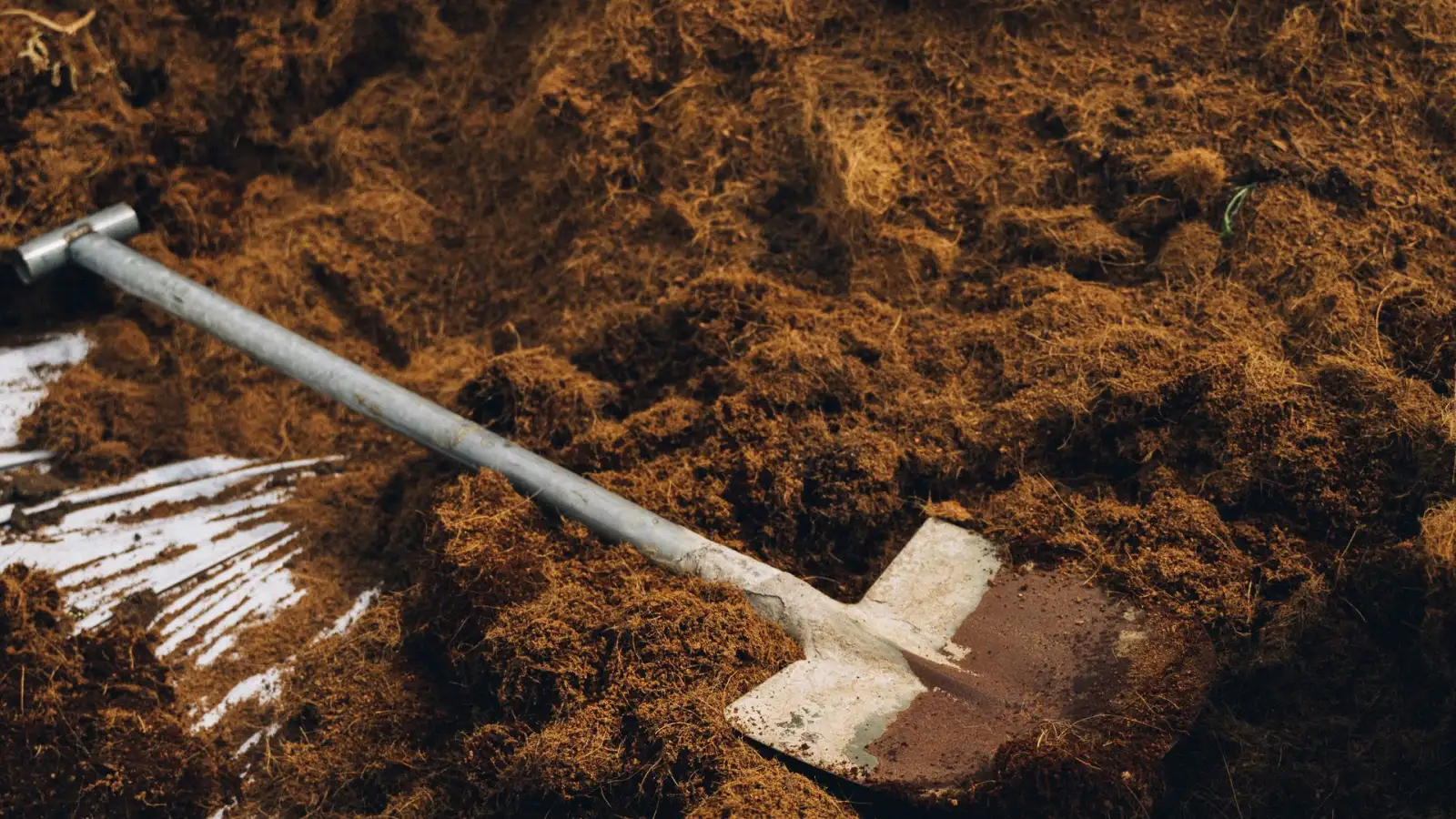
Compost extract is made and applied the same day, in four steps.
- Start with good compost. Mature, fully finished compost carries the biology the extract is meant to deliver.
- Extract. The compost is washed in water and gently agitated, then strained so the liquid passes through spray equipment.
- Apply. The extract is sprayed or drenched onto turf and soil, ideally when the soil is moist so it soaks in.
- Record. Date, area and volume go into the service log.
Compost extract works best inside a full program. See organic fertilization programs for school fields and parks and what is integrated pest management and how our sustainable IPM approach works.
What does the research say about compost extract on turf?
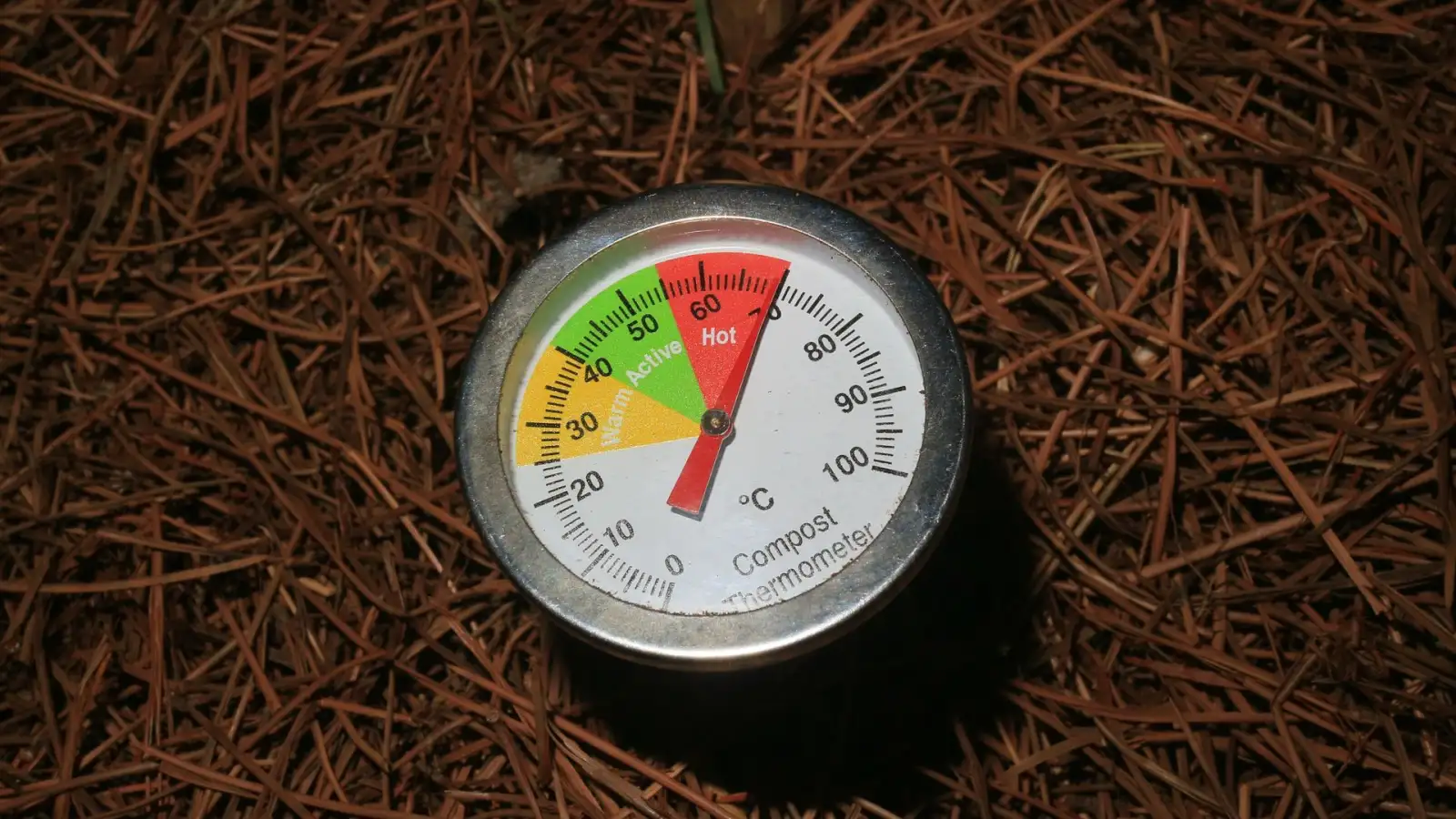
Research on liquid compost products for turf is still developing. A 2011 greenhouse study presented at the ASA, CSSA and SSSA annual meetings found that compost tea applied at recommended rates did not measurably raise soil microbial activity in the turfgrasses tested (ASA-CSSA-SSSA, 2011), and a USDA SARE project in Minnesota is comparing compost tea and compost extract directly (SARE project ONC22-100).
That is why Reed's uses compost extract as one part of a soil-first program, together with organic amendments, compost topdressing and aeration, and does not present it as a cure on its own.
How does compost extract compare with compost tea and synthetic liquid fertilizer?
Each product does a different job. The table shows where compost extract fits.
| Product | What it is | What it does | Speed of results | Relative cost | Best for |
|---|---|---|---|---|---|
| Compost extract (Reed's) | Finished compost washed in water, strained and applied the same day | Adds soil biology and some soluble nutrients | Builds over seasons with a full program | Moderate; labor to make and apply | Soil-first programs on fields, lawns and beds |
| Compost tea | Compost brewed for many hours with air and added foods | Aims to grow microbe numbers before use | Similar; quality varies with brewing | Moderate; brewing equipment and timing | Programs that can brew and apply on a tight schedule |
| Synthetic liquid fertilizer | Soluble mineral nutrients | Feeds the plant directly; adds no biology | Fast green-up | Lower per application | Quick color where no organic policy applies |
FAQ
Frequently asked questions
What is compost extract?
Compost extract is a liquid made by washing or gently agitating finished compost in water, without a long brewing step, so microbes and soluble nutrients move off the compost and into the water. It is strained and applied to turf, soil or planting beds as a spray or drench.
How is compost extract different from compost tea?
Compost tea is brewed for many hours with air and added foods such as molasses to grow microbe numbers before it is applied, so it has to be used soon after brewing. Compost extract skips that brewing step, which makes it simpler to make consistently and to apply in larger volumes. Both depend on starting with good, fully finished compost.
Can compost extract be used on school fields?
Yes. Compost extract is made from finished compost and water and is applied as a soil and turf amendment, not as a pesticide. Applications at schools are scheduled with your facilities team around class hours, practices and events.
How often is compost extract applied?
Most programs apply compost extract a few times a year, timed with the growing seasons and often paired with aeration or overseeding. The schedule is set for each site in the written proposal, based on soil conditions, how the turf is used and budget.
Does compost extract replace fertilizer?
Not on its own. Compost extract adds biology and a small amount of nutrients, so Reed's uses it alongside organic fertilization, compost topdressing and aeration rather than as a stand-alone product. Published research on liquid compost products for turf is still limited, which is why we treat it as one part of a soil-first program.
NEXT STEP
Need a licensed organic grounds-care contractor?
Request a proposal, schedule a site walk, or add Reed's to your vendor list.