Service — 05 · Fall → Winter
Winterization program for the Bay Area wet season
Reviewed by Chris Reed, CA DPR Qualified Applicator #REPLACE_WITH_QAL_NUMBER · Updated REPLACE_WITH_LAUNCH_DATE
Bay Area winters bring heavy rain, saturated clay soils and runoff. Reed's winterization program gets turf, beds, drainage and irrigation ready before the wet season. The aim is less erosion, less standing water and less spring weed pressure, protecting the work you invested in all year.
What does the landscape winterization program include?
The landscape winterization program covers seven fall tasks, set for each site after a walk-through.
- Fall aeration & overseeding
- Organic fall fertilization
- Mulching beds
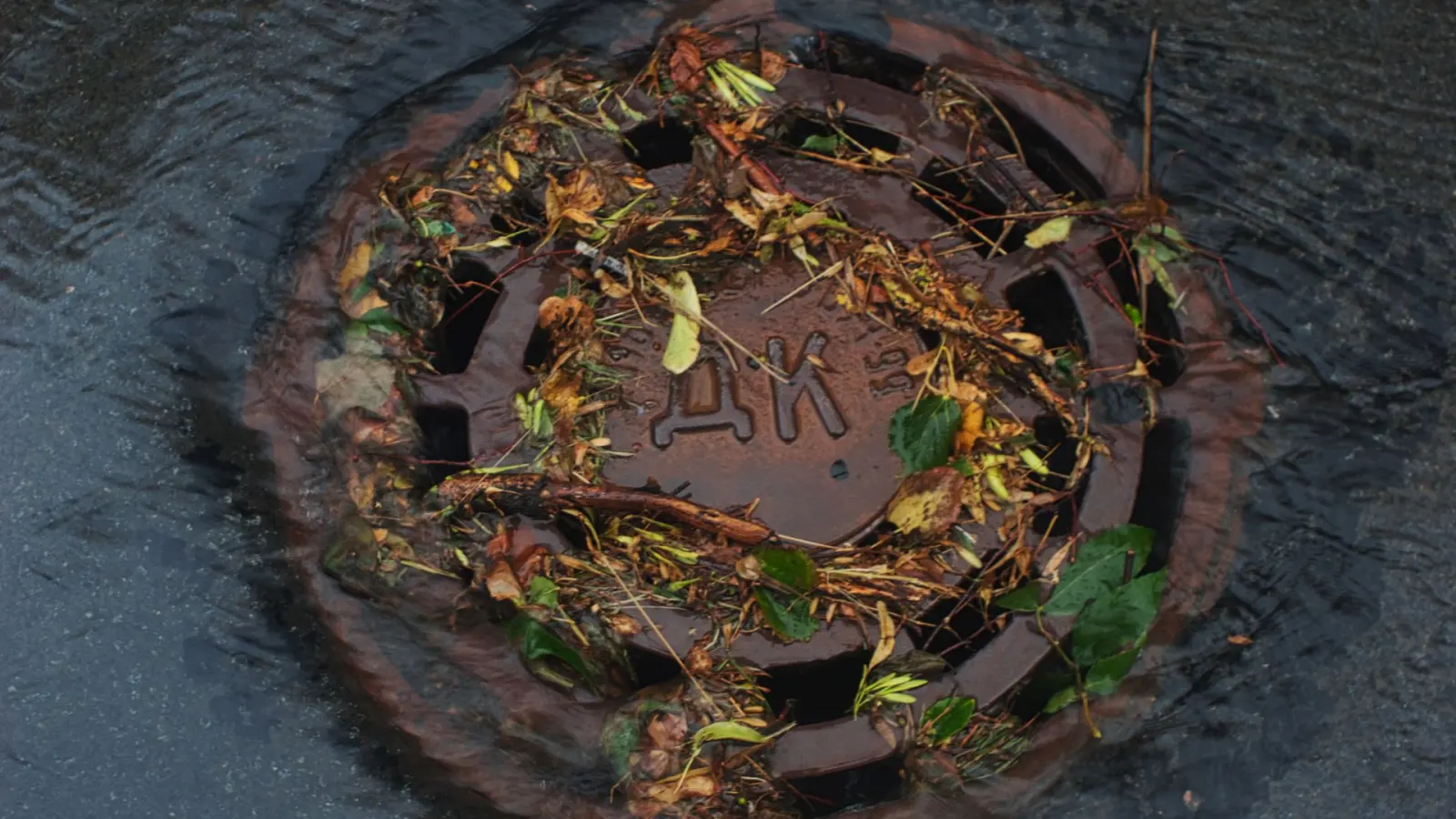
- Clearing drains/swales of debris
- Irrigation shut-down/adjustment [[CONFIRM]]
- Erosion checks on slopes
- Leaf management
| Scope | Turf, beds, drains and swales, irrigation, slopes. |
|---|---|
| Frequency | Once a year, October–December. Fall → Winter |
| Materials | Organic fall fertilizer, seed, mulch. |
| Documentation | A service log after each visit. |
| Ideal for | School fields, parks and agency grounds with drainage or slope issues. |
When should landscape winterization be done in the Bay Area?
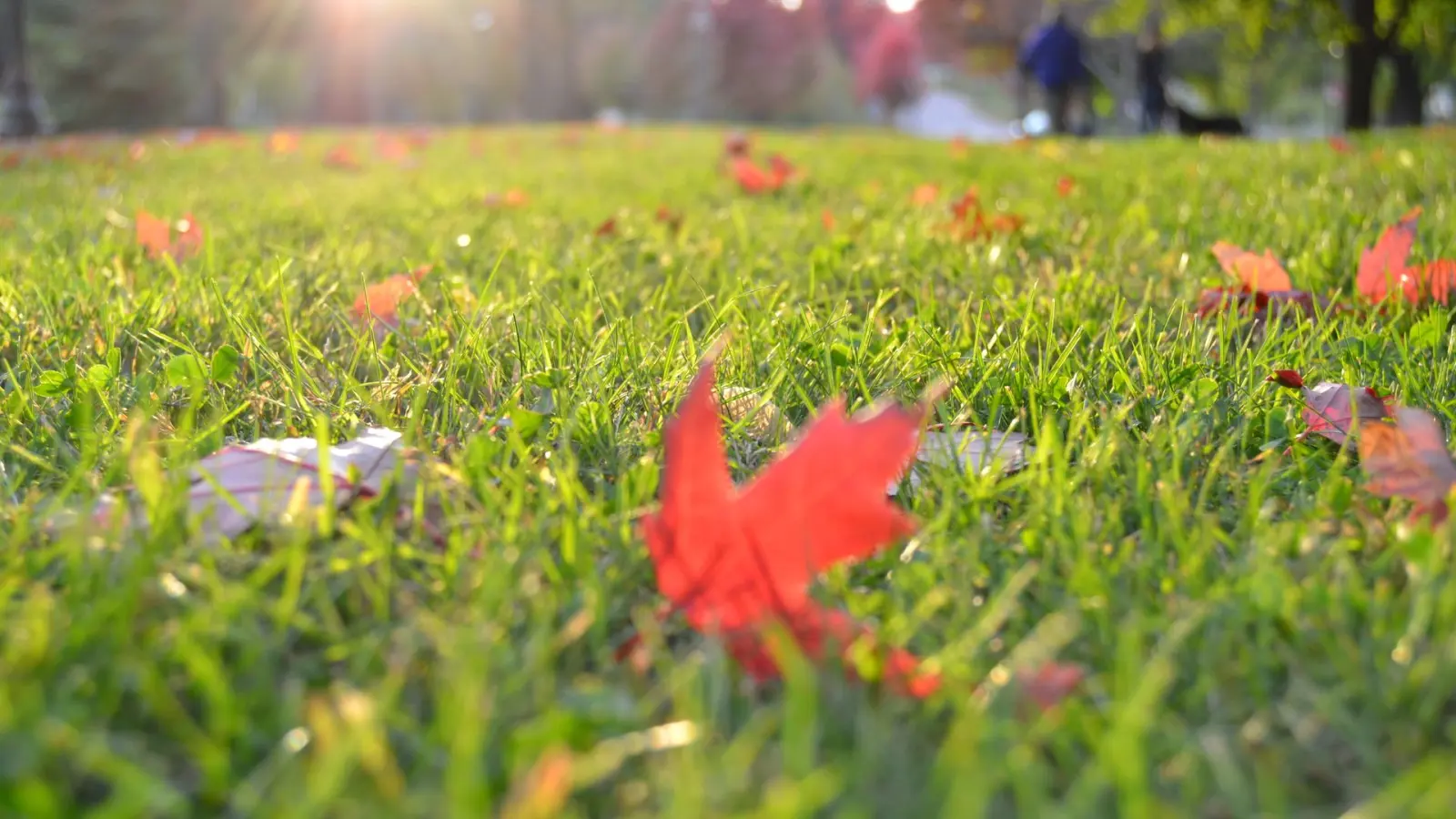
Landscape winterization in the Bay Area is done from October through December, before the heaviest rains. Soils are still warm enough for aeration, overseeding and fall feeding to take hold, and there is time to clear drains and adjust irrigation before storms.
Oct Nov Dec
Fall work is also prevention: healthier turf in spring means fewer weeds and pests. Read what is integrated pest management and how our sustainable IPM approach works, or pair winterization with organic fertilization programs for school fields and parks.
FIELD NOTE [[DRAFT — Chris to confirm or rewrite in his own words]]
“The work you do in October shows up in April. Winterizing is really spring prep.”
FAQ
Frequently asked questions
When should winterization start?
In the Bay Area, winterization is best done from October through December, before the heaviest rains arrive. Starting early lets aeration, overseeding and fall feeding take hold while soils are still warm, and gives time to clear drains and adjust irrigation before storms.
What does the winterization program include?
The program covers fall aeration and overseeding, organic fall fertilization, mulching beds, clearing drains and swales of debris, adjusting irrigation for the wet season, checking slopes for erosion, and leaf management. The exact scope is set for each site after a walk-through.
Is winterization worth it in a mild climate?
Yes. Bay Area winters are mild but wet, and saturated clay soils, runoff and erosion can damage turf and beds. Preparing grounds in fall helps reduce standing water and spring weed pressure. The results show up in spring, which is why we think of winterization as spring preparation.
NEXT STEP
Need a licensed organic grounds-care contractor?
Request a proposal, schedule a site walk, or add Reed's to your vendor list.