Service 08 · Spec: Lawns to living landscapes
Grounds Transformation: lawns to living landscapes
Reviewed by Chris Reed, CA DPR Qualified Applicator #169857 · Updated October 2026
Grounds Transformation is Reed's lawn conversion service: we replace lawn that nobody uses with California native, low-water planting, using sheet mulch and compost to build new soil in place. It helps schools, cities and agencies cut water and mowing, prepare for California's ban on watering nonfunctional turf with drinking water (AB 1572), and turn high-input lawn into habitat that is easier to care for.
What's included in a Grounds Transformation project?
A Grounds Transformation project takes a lawn from assessment to an established native landscape, with the records that rebates and AB 1572 planning need.
- Site walk and a map of functional and nonfunctional turf
- Rebate review with your water provider before work starts
- Planting plan built around California native, low-water plants
- Sheet mulching with cardboard and compost, topped with wood-chip mulch
- Planting, timed for the rainy season where possible
- Establishment care, then handoff to regular grounds maintenance
- Before-and-after photos for your records and rebate paperwork
| Scope | Ornamental lawns, medians, building frontages, campus edges and other turf no one uses for play or events. |
|---|---|
| Frequency | One project per site, followed by establishment care and regular maintenance. |
| Materials | Cardboard sheet mulch, compost, wood-chip mulch and California native plants. No artificial turf. |
| Documentation | Turf map, planting plan, before-and-after photos. |
| Ideal for | School districts, cities and agencies preparing for AB 1572, and any site that wants to cut lawn water and mowing. |
How does a lawn become a living landscape?
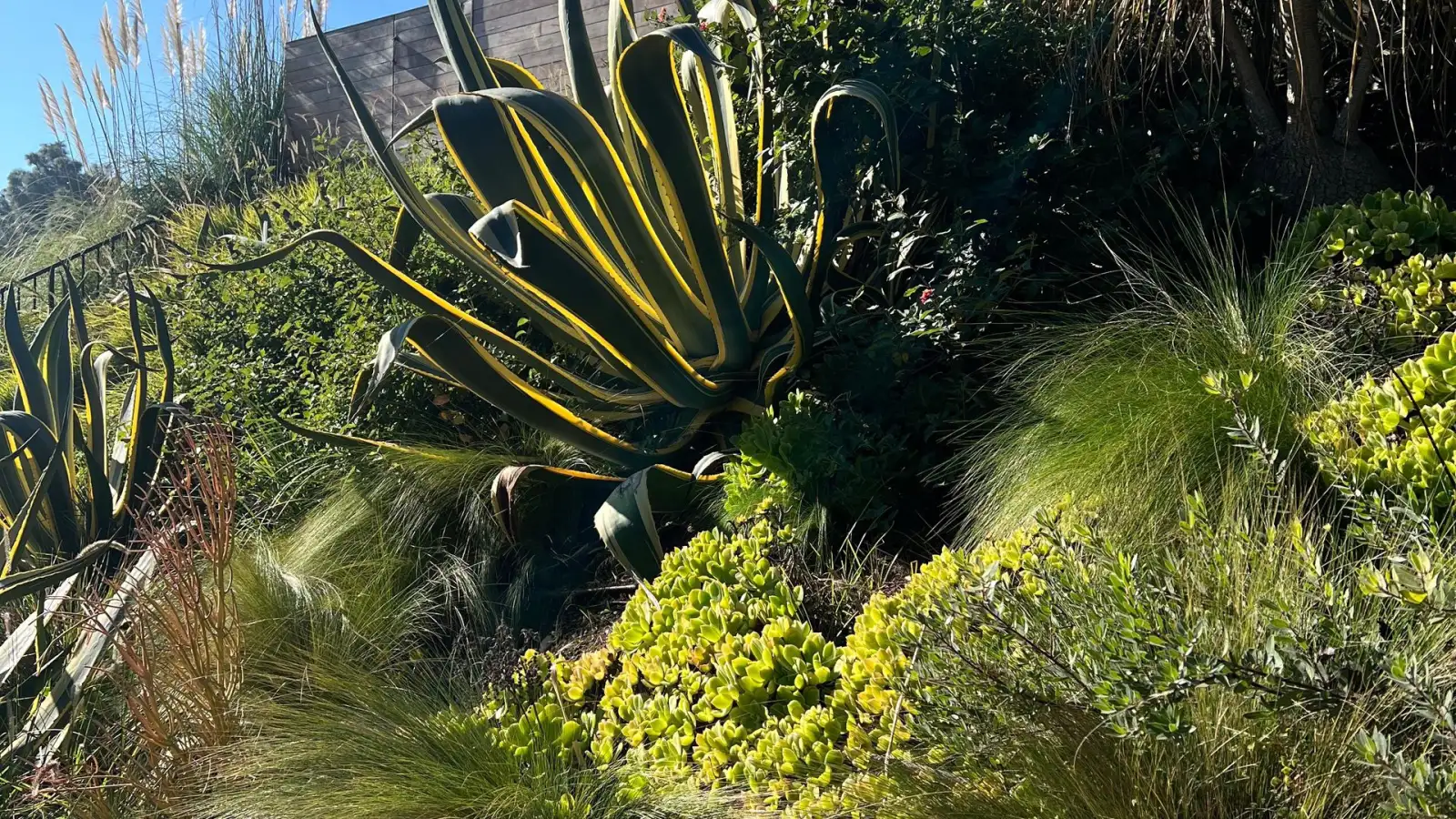
A lawn becomes a living landscape in five steps, usually started in summer so planting can happen with the fall and winter rains.
- Map the turf. We walk the site with your staff and separate functional turf (sports fields, play areas, event lawns) from decorative lawn.
- Check rebates first. Many water providers require approval before work starts; EBMUD, for example, requires written pre-approval (EBMUD Lawn Conversion Rebate).
- Sheet mulch. Cardboard goes over the lawn and is covered with compost and wood-chip mulch, smothering the grass in place while building soil. The same method is part of our organic weed management.
- Plant. California native, low-water plants are chosen for the site's sun, soil and use.
- Establish and maintain. The new planting is watered and weeded while it fills in, then moves to regular grounds maintenance.
When do California's nonfunctional turf rules take effect?
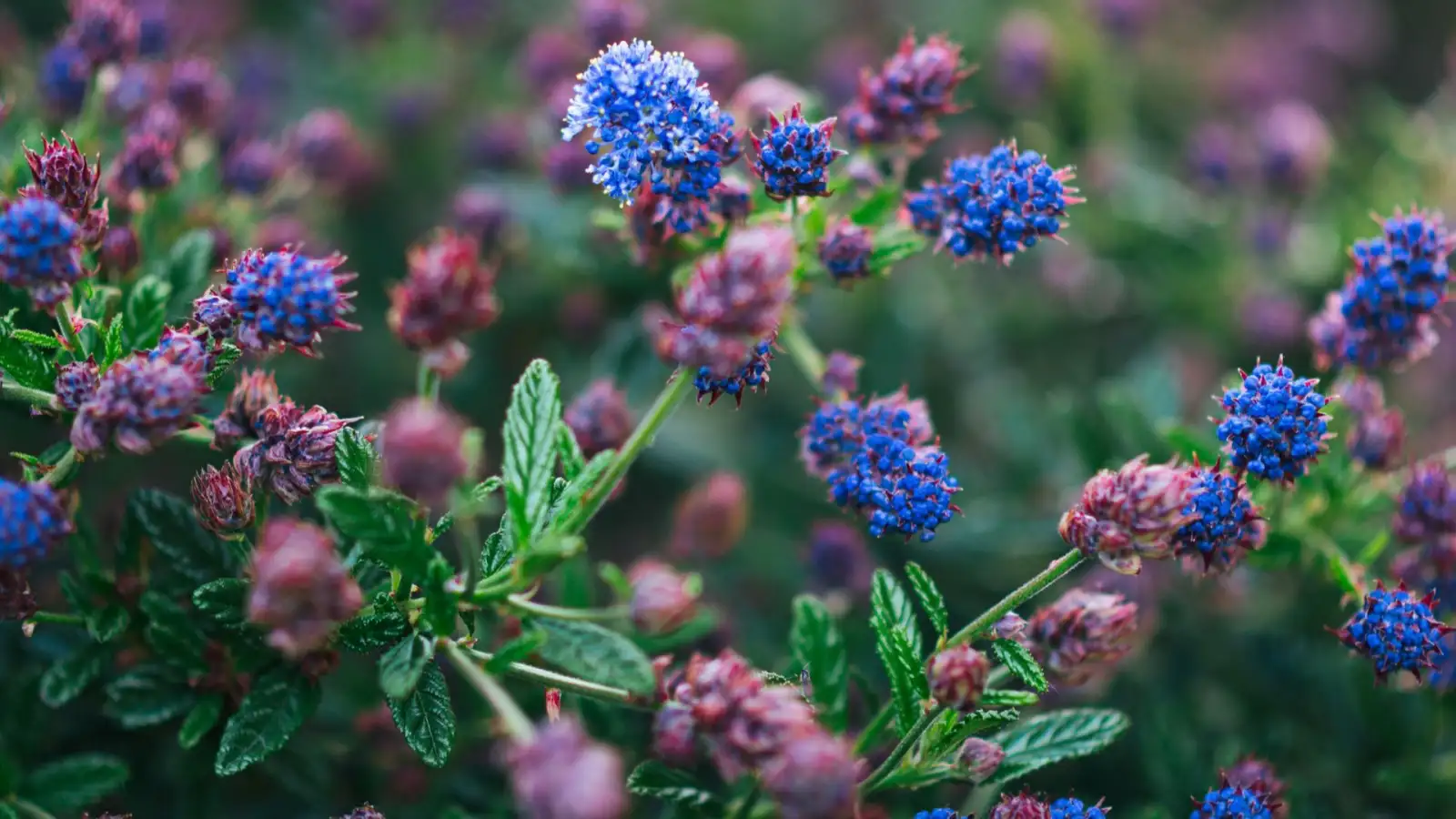
California's AB 1572 phases out watering nonfunctional turf with drinking water. Nonfunctional turf is decorative grass that is not regularly used for recreation, sports or community events. Trees and other plants can still be watered.
| Property type | Drinking-water irrigation of nonfunctional turf ends |
|---|---|
| Local government, public agency and public water system properties | January 1, 2027 |
| Commercial, industrial and institutional properties | January 1, 2028 |
| HOA common areas | January 1, 2029 |
| Public agency properties in disadvantaged communities | January 1, 2031 |
Source: California Legislature, AB 1572. Your water provider enforces the rules locally, so check its guidance for your sites.
Which lawn conversion rebates are available?
Many Bay Area water providers pay rebates for converting lawn. EBMUD offers a lawn conversion rebate in the East Bay, including commercial and municipal sites, with a higher rate for projects that use sheet mulch, compost and mostly California native plants. Marin Water runs a lawn replacement program in Marin, and Peninsula cities buy water through BAWSCA member agencies, which run their own programs. Rebate terms change, and most require approval before work starts, so Reed's confirms the current rules with your provider during planning.
How does converting a lawn compare with keeping it or installing artificial turf?
Each option suits a different kind of space. Grounds Transformation is for lawn that is not being used.
| Option | How it works | Ongoing care | AB 1572 | Rebates | Best for |
|---|---|---|---|---|---|
| Keep the lawn | Mowing, irrigation, fertilizer and weed control continue | Highest ongoing water and mowing | Drinking-water irrigation of nonfunctional turf ends | None | Functional turf: sports fields, play and event areas |
| Convert to native planting (Reed's) | Sheet mulch, compost and California native plants | Low water once established; seasonal pruning and weeding | Removes nonfunctional turf | Often eligible (for example EBMUD) | Ornamental lawns, medians, building frontages |
| Artificial turf | Plastic surface over a base layer | No mowing or watering; replaced after some years | Removes turf, adds no habitat | Not eligible for EBMUD lawn conversion rebates | Some high-use areas where grass will not hold |
FAQ
Frequently asked questions
What is nonfunctional turf?
Under California's AB 1572, nonfunctional turf is grass that is purely decorative and not regularly used for recreation, sports or community events, such as lawn strips along buildings, street medians and parking lots. Sports fields, play areas and lawns used for events count as functional turf and are not covered by the ban.
When does California's nonfunctional turf ban take effect?
AB 1572 bans watering nonfunctional turf with drinking water in stages: from January 1, 2027 at properties of local governments and public agencies, from January 1, 2028 at commercial, industrial and institutional properties, and from January 1, 2029 at HOA common areas. Public agency sites in disadvantaged communities have until 2031. Trees and other plants can still be watered.
Are there rebates for converting lawns?
Often, yes. Many Bay Area water providers offer lawn conversion rebates for commercial and public properties, including EBMUD in the East Bay and Marin Water in Marin, and Peninsula water agencies run their own programs. Most require approval before work starts, so Reed's checks the current rules with your water provider during planning.
How long does a lawn conversion take?
Most conversions are planned in summer, sheet mulched in late summer or fall, and planted in fall so winter rain helps the new plants root. Native plantings usually fill in over one to three growing seasons, with regular weeding and watering while they establish.
Do you remove sports fields or play lawns?
No. Sports fields, play areas and lawns used for events are functional turf, and Reed's keeps them healthy with organic fertilization and aeration. Grounds Transformation focuses on decorative lawn that uses water and mowing time without being used.
NEXT STEP
Need a licensed organic grounds-care contractor?
Request a proposal, schedule a site walk, or add Reed's to your vendor list.